
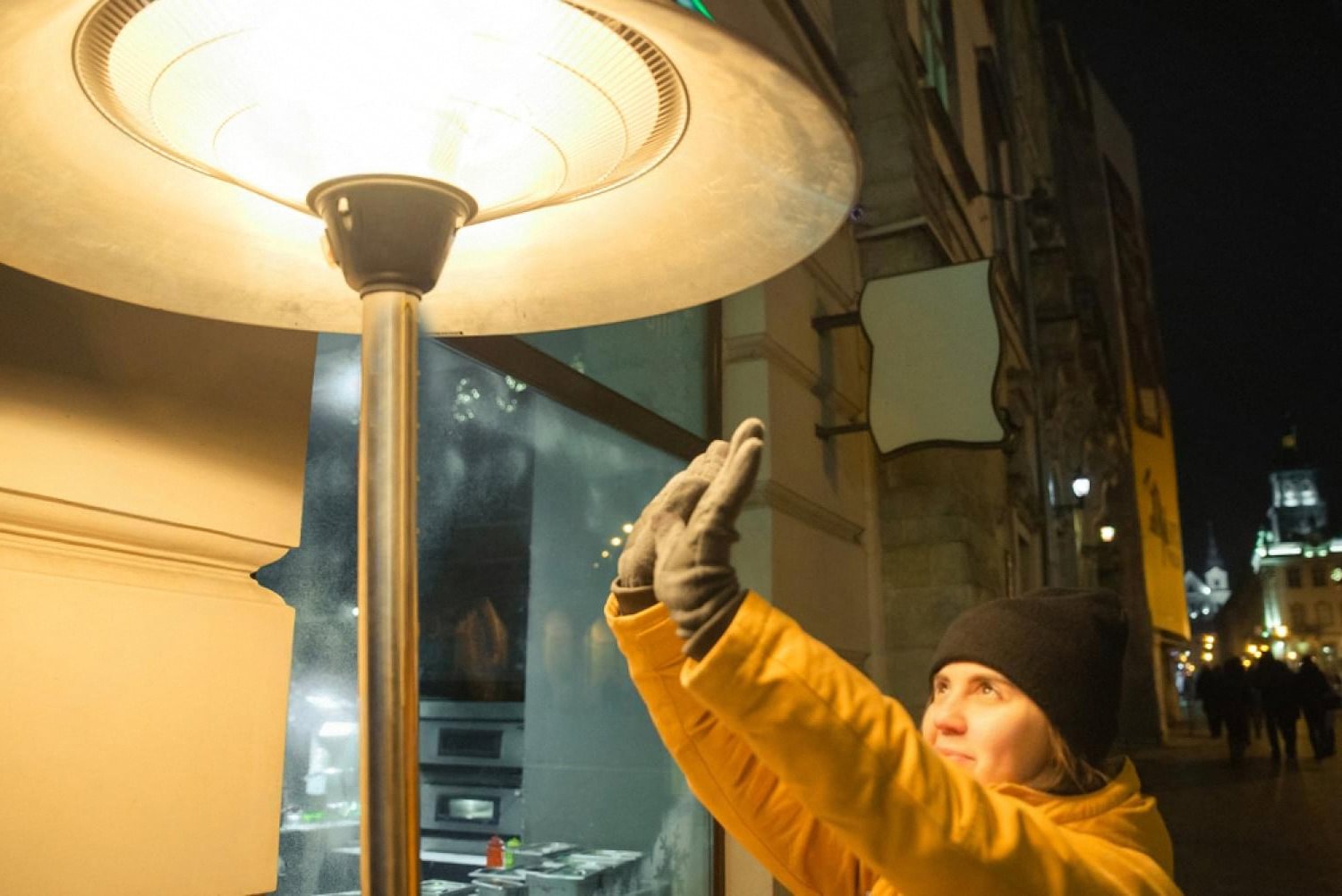
Terrace comfort, UAE winter
Warm terraces from November to February
UAE winters look mild on paper, but anyone who has hosted a shisha night in JBR or a quiet dinner on a Khalifa City rooftop knows that from late November to February, the evenings on the coast drop into the low teens and the wind off the Gulf turns a beautiful terrace into a jacket-only zone. A well-chosen outdoor heater keeps guests seated, extends restaurant covers, and makes home balconies usable again. This guide walks through the types available, how they generate and distribute heat, which fuels are safest, and how to shut a unit down fast if something goes wrong.
Before you compare models, understand what you are actually buying. Outdoor heaters fall into three broad families: gas patio heaters (usually LPG), electric infrared / halogen heaters, and solid-fuel units like fire pits and chimeneas. Each family has a different heat pattern, a different coverage area, and a different safety profile, and the right pick depends heavily on where in the UAE you plan to place it.
Gas mushroom heaters push heat outward in a roughly 4 to 5 metre circle and warm a group of 6 to 8 seated people. Pyramid gas heaters cover a similar radius but look more decorative. Electric infrared heaters warm objects and skin directly rather than the air around them, so they suit covered balconies and semi-enclosed majlis areas where wind would blow away the warmth of a gas unit. A single 2 kW infrared panel comfortably covers a 6 to 9 square metre zone.
Downtown Dubai and Marina: balconies and high-rise terraces
If you live in a tower along Sheikh Zayed Road, in Downtown Dubai, or in Dubai Marina, your terrace is almost certainly a balcony under strata rules. Most Dubai building bylaws and JOP community rules prohibit open flames and LPG cylinders on high-rise balconies for fire safety reasons, and the Dubai Civil Defence is strict about this. That effectively rules out gas mushroom heaters for apartments above ground level.
The practical answer is electric. A wall-mounted or free-standing infrared heater draws from a standard 13 A socket, produces no fumes, no flame, and no fuel storage headache. Look for IP34 or higher weather rating so the unit tolerates the occasional shamal dust storm, and pick a model with a tilt shut-off sensor so it cuts power the moment it falls over. For a typical 8 square metre Marina balcony, one 2 kW carbon fibre or short-wave infrared unit is enough for two to four people.
Jumeirah, Al Barsha and villa gardens
Ground-floor villas across Jumeirah, Umm Suqeim, Al Barsha and the Springs give you far more freedom. Here, gas patio heaters make sense: they run on 11 kg or 22 kg LPG cylinders available from suppliers licensed by the Ministry of Industry they output 10 to 13 kW of heat, and one tank lasts roughly 10 to 15 hours of steady use.
For a large garden majlis where guests spread across a wide area, two mushroom heaters spaced 4 metres apart cover the seating better than one very large unit. Keep at least one metre of clearance from umbrellas, curtains and shrubs, and never bring the unit indoors, LPG heaters are designed for open air only and produce carbon monoxide that becomes dangerous in enclosed rooms.
Abu Dhabi Corniche restaurants and Yas Island venues
Commercial terraces along the Abu Dhabi Corniche, Saadiyat, and Yas Bay face two extra pressures: the sea breeze pulls heat away fast, and Abu Dhabi Civil Defence inspects venues regularly. Restaurants there tend to combine tall pyramid gas heaters at the perimeter with overhead electric infrared strips mounted under pergolas.
If you run a cafe or hotel outlet, renting rather than buying is often smarter. You get seasonal units for four months, delivery and maintenance handled, and you avoid storing bulky heaters for the eight months of the year when the UAE does not need them. Suppliers like Climate Plus provide electric infrared units on monthly rental with servicing included, which suits venues that want a consistent look across a large terrace without capital outlay.
Fuel safety and how to shut a heater down fast
- Electric infrared is the safest choice for balconies and covered spaces. No flame, no fuel, no fumes. To shut off: unplug the unit or flip the wall socket.
- LPG (propane / butane) is safe outdoors when the cylinder is upright, the hose is regulator-certified, and the connection is soap-tested for leaks before each new tank. To shut off in an emergency: close the cylinder valve first (turn clockwise until firm), then the appliance knob. The flame dies within seconds.
- Natural gas plumbed heaters exist in some Emaar and Aldar villa communities. Emergency shut-off is the isolation valve on the wall, know its location before you light the unit.
- Solid fuel fire pits and chimeneas are the hardest to extinguish quickly. Keep a bucket of sand nearby, sand smothers embers faster and more safely than water on a hot metal bowl.
Practical checklist
Local tips before you buy or rent
- Check your community rules first. Emaar, Nakheel and Aldar communities all publish terrace-use guidelines, and towers usually ban LPG above ground floor.
- Match wattage to area. Roughly 100 W per square metre for a covered terrace with electric infrared, more if the space is windy or fully open.
- Buy for four months of use per year. UAE outdoor heating season is short. If the unit will sit in storage from March to October, rental usually beats purchase on cost.
- Prioritise tilt shut-off and IP rating. Any unit rated IP24 or lower will corrode fast near the coast.
- Store LPG cylinders outside in shade, upright, and away from AC condensers or generators.
- Test before guests arrive. Fire up the heater 15 minutes ahead so you catch a faulty igniter or a low tank before people sit down.
Why electric rental heaters make sense in the UAE
For most homeowners and venue operators in Dubai, Abu Dhabi and Sharjah, an electric infrared rental covers the core requirements: it is legal on balconies and inside covered majlis areas, it produces no fumes, it plugs into a normal socket, and someone else handles the servicing. Buying a large gas heater outright commits you to storage, annual regulator checks, and finding a licensed cylinder supplier, all for a season that ends in February.
Suppliers offering seasonal packages, Climate Plus among them, typically include delivery, installation, a swap unit if anything fails, and collection in spring. That model suits the UAE climate better than ownership for anything short of a permanent restaurant terrace.
Frequently asked questions
How large an area can one outdoor heater warm?
A standard mushroom-style LPG patio heater rated around 11 to 13 kW warms a circle roughly 4 to 5 metres across, enough for 6 to 8 seated people. A 2 kW electric infrared unit covers a smaller but more focused zone of about 6 to 9 square metres, ideal for a Dubai apartment balcony or a small majlis corner.
Are gas patio heaters allowed on apartment balconies in the UAE?
Generally no. Dubai Civil Defence rules and most tower JOP bylaws prohibit LPG cylinders and open-flame appliances on high-rise balconies. Electric infrared heaters are the compliant alternative because they have no flame, no fuel storage, and no combustion fumes.
Always check your specific building’s rules before installing anything, some communities also restrict the wattage you can draw from a balcony socket.
Which fuel type is safest for a home terrace?
Electricity is the safest option overall because it removes the risks of combustion, carbon monoxide, and fuel leaks entirely. For open gardens, LPG is safe when handled properly: certified regulators, upright cylinders, and a leak check before each new tank. Solid-fuel fire pits look great but are the slowest to shut down and need constant supervision.
How do I switch off a heater quickly in an emergency?
For electric units, unplug the heater or flip the wall socket, the elements cool within a minute. For LPG heaters, turn the cylinder valve clockwise until it stops, then close the appliance knob; the flame extinguishes within seconds because the gas supply is cut at the source.
For solid-fuel fire pits, smother embers with sand rather than water, sand cools the metal safely without cracking it or creating a steam burst.
Should I buy or rent an outdoor heater in the UAE?
Given that the UAE only really needs outdoor heating from late November to February, rental usually works out cheaper and simpler than ownership. You avoid eight months of storage, annual servicing costs, and the hassle of sourcing spare parts. Buying makes sense only if you run a permanent commercial terrace that operates most of the year.
What wattage do I need for a covered terrace?
A useful rule of thumb for electric infrared heaters on a covered, wind-protected terrace is about 100 watts per square metre. So a 12 square metre pergola in Jumeirah would want roughly 1.2 kW of heating output, comfortably covered by a single 2 kW unit. Open, windy areas need double that or a switch to gas.
Do infrared heaters actually work in windy coastal areas like the Marina?
Yes, because infrared warms people and objects directly rather than heating the air. Wind carries warm air away instantly, which is why gas heaters struggle on breezy nights, but infrared radiation still reaches skin and clothing across the gap. Mount the unit reasonably close to seating, around 2 to 2.5 metres away, for best effect.

You May Also Like

How to Write a Rental Listin ...
August 19, 2026
Building vs Contents Insuran ...
July 22, 2026
Can a Luxury Safe Boost Home ...
July 16, 2026

Leave a Comment